
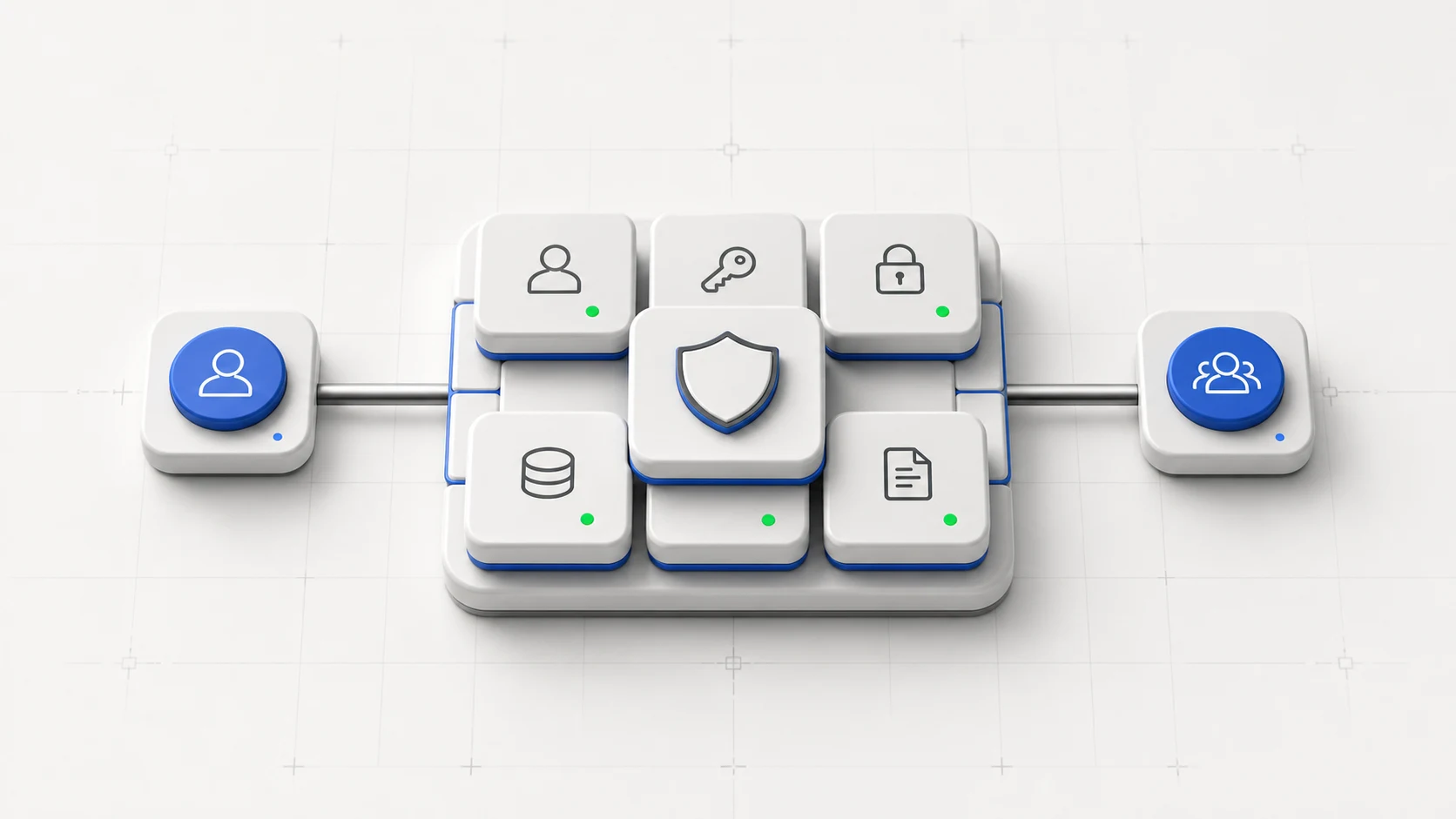
The configuration of a serious application is every bit as important as its code. The data model, the views, the automations, the roles, the connectors — together they are the system, as much as any line a developer writes. Yet configuration is often treated more casually than code: changed live, in place, with no checkpoint to return to, no record of what moved, and no safe way to carry a tested setup from one environment to another.
We have closed that gap. Platform configuration now has a proper lifecycle — checkpoints you can trust, a way to see when things have drifted, confident rollback, and promotion from one environment to the next. In short: you can now manage your configuration with the same discipline you would expect for code.
Configuration deserves the same discipline as code
Software teams learned long ago not to edit production by hand and hope. They version everything, they know exactly what is deployed, they can roll back, and they move changes through stages — build, test, release — rather than straight into the live system. Configuration on a low-code platform has historically lacked those guardrails, even though a wrong change there can be just as disruptive. Bringing that discipline to configuration is what this work is about.
Checkpoints you can trust
Publishing a version now captures a complete snapshot of your configuration and the underlying data structure at that moment — not a partial copy, but the whole picture of how the system was set up. That snapshot is a real checkpoint: a known-good state you can name, return to, and reason about. Stabilize your setup, publish a version, and you have a firm point to stand on while you carry on working.
Know when things have drifted
Between releases, configuration keeps evolving — that is normal and healthy. What you want is visibility into it. Each published version carries a fingerprint of the state it captured, and the platform exposes a matching fingerprint of your current, live configuration. Comparing the two answers a question that used to require painstaking manual inspection: has the live system drifted from the last version we blessed? For compliance, auditing, and plain operational confidence, knowing the answer at a glance — rather than discovering a surprise later — changes how safely you can move.
Roll back with confidence
A checkpoint is only as valuable as your ability to return to it. Rollback restores a previous version, and it does so transparently: you get clear reconciliation notes describing what had to be reconciled — what was added since the checkpoint, what was missing — so a rollback is a deliberate, understood action rather than a leap in the dark. The safety net is real, and you can see how it caught you.
Promote across environments
The most consequential step is moving a tested configuration from one place to another — from a staging environment into production, or from a template into a new deployment. The platform can now package a configuration and apply it elsewhere, and it does so with an understanding of how the pieces depend on one another, so entities arrive in the right order and references stay intact rather than breaking on arrival. You build and test somewhere safe, then promote the result deliberately — instead of rebuilding the same setup by hand in production and praying the two match.
Why it matters
This is the difference between configuration as a fragile, live thing you are nervous to touch, and configuration as something you manage with the same confidence as any other critical asset. You can checkpoint a good state, detect when reality has drifted from it, undo a bad change cleanly, and move a proven setup between environments without hand-copying. The result is fewer surprises, faster and braver iteration, and a genuine answer to the question every operator eventually asks: what exactly is running, and how do I change it safely?
It builds directly on the platform's version management and complements the rest of the toolkit — custom apps, connectors, and everything else you configure — by giving the whole configuration a release lifecycle worthy of the systems people are building on it.